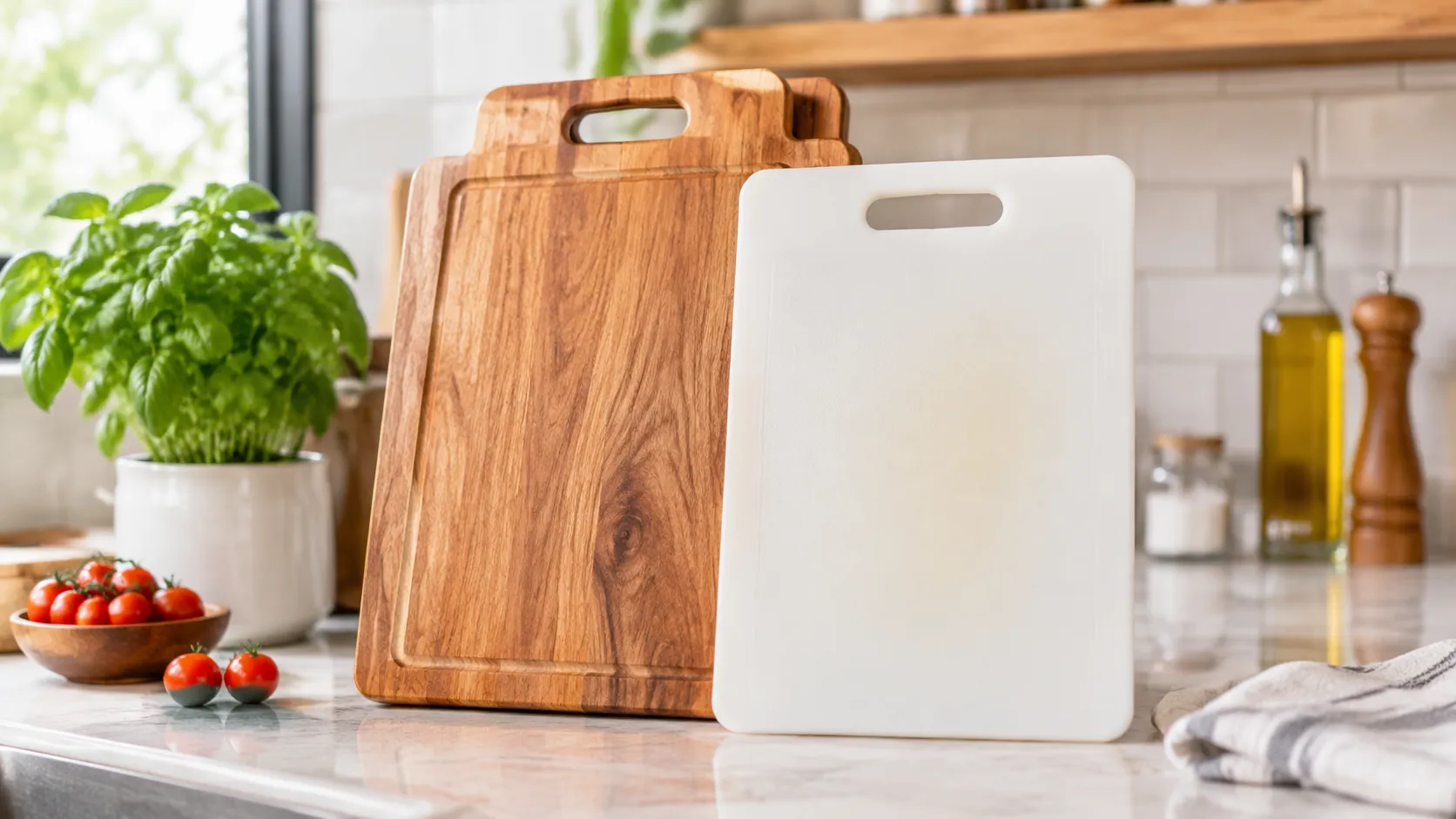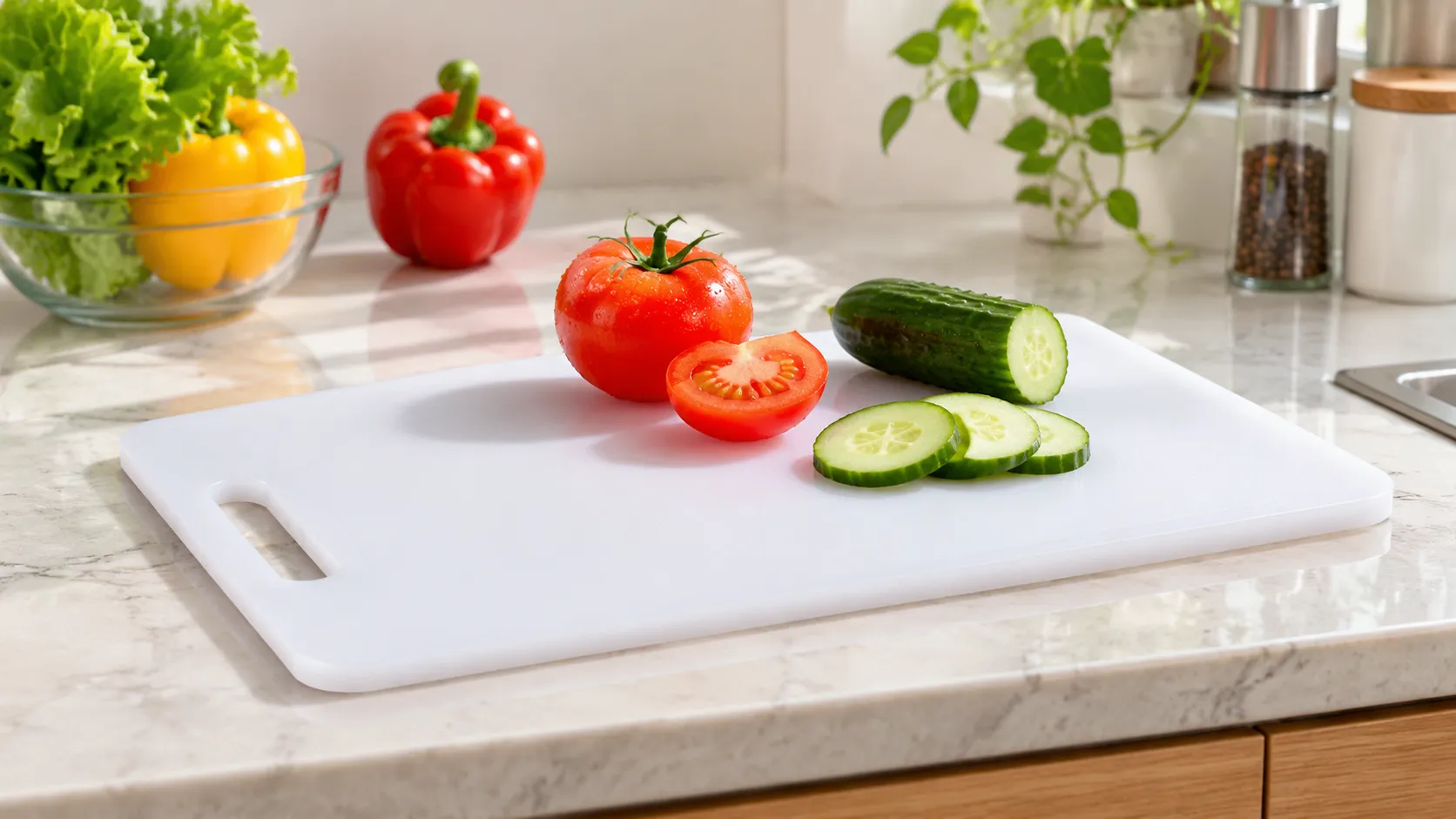
Choosing the right plastic cutting board material separates a warped, bacteria-trapping surface from a durable, knife-friendly board that meets FDA food-contact expectations for olefin polymers.[1] This guide compares HDPE sheets, polypropylene, Richlite composites, and engineering plastics for commercial kitchen and food service grade use, then covers thickness, textured surface options, and cut to size fabrication. Use the material table, selection checkpoints, and care steps below to specify boards that stay moisture resistant and bacteria resistant through daily wash cycles.
Types of Plastic Cutting Board Materials
Selecting the right plastic cutting board material determines sanitary performance, knife retention, and service life in demanding food preparation environments.
High-Density Polyethylene (HDPE)
High-density polyethylene serves as the global foodservice benchmark for back-of-house food prep.[2] Formulated specifically as a non-porous polymer, food-grade HDPE sheets deliver dependable resilience against repetitive chopping and cleaving.
- Knife Retention: Soft enough to preserve knife sharpness without excessive scarring or micro-grooving.
- Hygienic Surface: Acid, moisture, and chemical-resistant profile prevents blood, juices, and bacteria from penetrating the board.
- Standard Profiles: Available in natural white and standard HACCP color-coded configurations to eliminate cross-contamination risks.
Polypropylene (PP) Sheet
Polypropylene offers a stiffer, slightly lighter alternative to standard polyethylene.[3] Characterized by higher structural rigidity, polypropylene (PP) sheets excel in settings requiring elevated thermal thresholds.
- Thermal Resistance: Handles higher sanitization and dishwashing temperatures without thermal warping.
- Lightweight Rigidity: Resists bending in thinner profiles, making it ideal for flexible cutting mats, prep-line inserts, and consumer kitchenware sets.
- Odor & Stain Shield: Outstanding barrier properties against pungent ingredients like garlic, onions, and deep-staining marinades.
Richlite and Composite Materials
Composite panels combine sustainable wood-fiber paper infused with food-safe resin, pressed under extreme heat and pressure. While functionally a fiber-resin composite, it bridges the gap between commercial plastic slabs and traditional butcher blocks.
- High Heat Resilience: Heat-tolerant up to high commercial kitchen wash cycles, often doubling as a prep station and serving surface.
- Ultra-Dense Composition: Extremely dense structure that resists deep knife gouging while remaining completely non-porous.
- Refined Aesthetics: Delivers an organic, natural aesthetic suited for high-end culinary branding and front-of-house displays.
Food-Grade Engineering Plastics
For specialized industrial food processing plants, butchery facilities, and automated packing equipment, standard food-grade engineering plastics take priority.
- Ultra-High-Molecular-Weight Polyethylene (UHMW-PE): Exceptional wear resistance, virtually zero moisture absorption, and unmatched impact strength for heavy-duty meat packing and mechanical wear strips.
- Acetal / POM (Polyoxymethylene): High mechanical stability and low friction for precision-machined guide rails, sorting components, and specialty processing blocks.
- PTFE Formulations: Chemically inert solutions applied in extreme thermal environments where non-stick capabilities and aggressive washdowns are essential.
| Material Type | Relative Hardness | Heat Tolerance | Primary Application |
|---|---|---|---|
| HDPE | Medium | Moderate (dishwasher-capable food-contact grades) | Commercial Prep & Butcher Blocks |
| Polypropylene (PP) | Medium-High | High (elevated wash and rinse cycles vs HDPE) | Retail Cutting Boards & Dishwasher Sets |
| Richlite / Composite | High | Very High (heat-tolerant composite grades) | Premium Kitchenware & Pizza Peels |
| UHMW-PE | High Impact | Moderate (similar band to HDPE food-contact grades) | Industrial Processing & Conveyor Decks |
Key Benefits of Plastic Cutting Board Materials
Choosing the right plastic cutting board material makes all the difference in prep speed, hygiene control, and daily durability. We manufacture our food prep boards to handle the harsh demands of both busy commercial kitchens and residential culinary setups without slowing down your workflow.
| Key Feature | Main Benefit | Operational Impact |
|---|---|---|
| Non-Porous Polymer | Zero fluid absorption | Inhibits bacteria growth and cross-contamination |
| Controlled Surface Hardness | Knife-friendly "give" | Extends blade sharpness while resisting deep gouging |
| Chemical Inertness | High acid and cleaner resistance | Safe for commercial sanitizers and dishwashers |
| Zero Moisture Uptake | Will not warp, rot, or split | Ensures a stable, flat prep surface long-term |
Non-Porous Surface and Food Safety Compliance
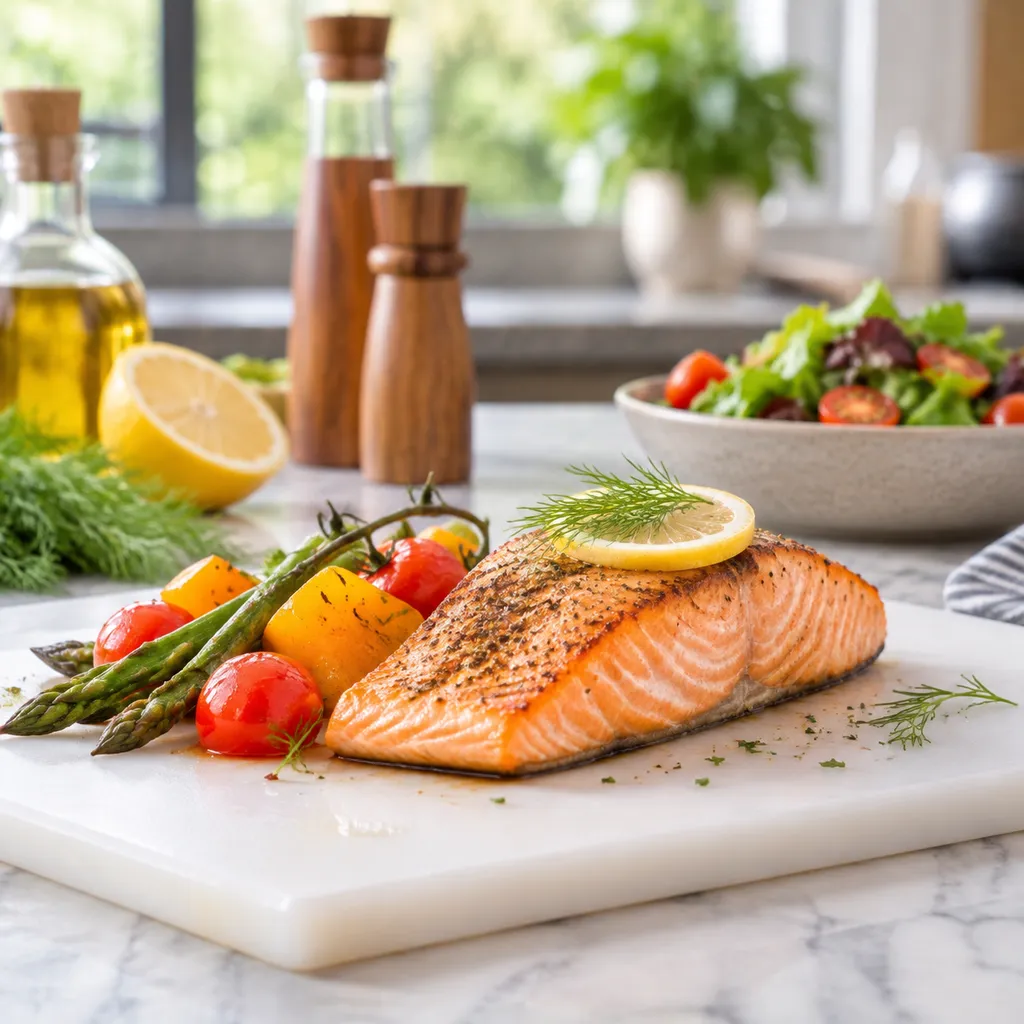
Food safety starts with a surface that refuses to absorb liquids. Our solid non porous polymer sheets create an impenetrable barrier against animal blood, raw meat juices, and plant acids. Unlike fibrous alternatives that require intensive oiling, as explored in the wood vs plastic cutting board comparison, solid plastic leaves no microscopic pockets for organic material to hide. This bacteria resistant profile helps your facility maintain strict HACCP and food code compliance with simple daily wash cycles.
Durability and Knife Surface Protection
A professional chopping board must be tough enough to resist splintering, yet forgiving enough to protect fine blade edges.
- Blade Preservation: Our engineered high-density polymers yield slightly under slicing pressure, preventing micro-chips and edge rollover on expensive chef's knives.
- Structural Stability: Heavy prep stations outfitted with custom non-slip cutting boards stay flat under heavy cleaver impact without cracking.
- Minimal Scarring: The self-healing nature of dense polyethylene minimizes deep groove formation, extending the functional life of the board before re-machining is needed.
Moisture, Stain, and Chemical Resistance
Harsh sanitizing agents, bleach solutions, and high-heat dishwashing cycles degrade lesser materials quickly. Our moisture resistant plastic cutting board material will not swell, delaminate, or harbor stubborn odors from onions, garlic, or seafood. Highly pigmented foods like beets and turmeric wash away clean, ensuring your prep stations remain spotless and sanitary shift after shift.
Applications for Plastic Cutting Board Material Sheets
We manufacture every plastic cutting board material to handle intense daily prep, whether in high-output processing plants or compact residential setups. As a professional cutting board manufacturer and OEM/ODM kitchenware supplier, we adapt these non-porous polymer surfaces to meet strict culinary sanitation standards worldwide.
Commercial Kitchens and Food Processing Services
High-volume operations demand food service grade surfaces that withstand constant chopping, deboning, and chemical sanitation. We supply heavy-duty high density polyethylene sheets built specifically for these environments:
- Meat and Poultry Processing: Resists deep gouges and moisture absorption, keeping surfaces bacteria resistant throughout long shifts.
- Prep Tables and Sandwich Stations: Tough, cut to size worktops that fit standard stainless prep tables seamlessly.
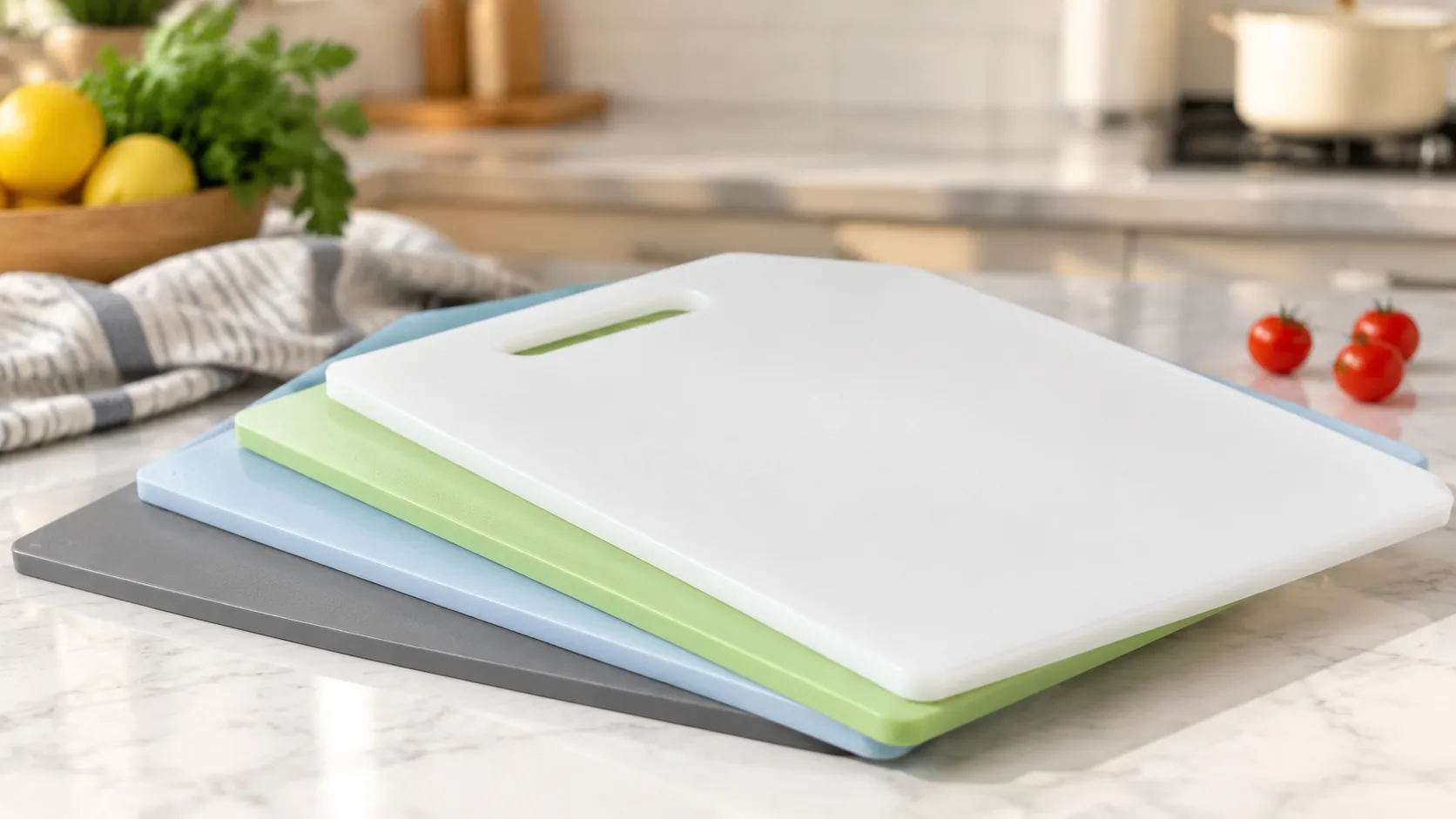
- Color-Coded Prep Lines: Standardized hues (red, green, blue, yellow, white) to stop cross-contamination between raw meats, vegetables, and allergens.
For commercial buildouts requiring specific food-contact dimensions, explore our custom plastic cutting boards tailored to exact kitchen specs.
Residential Home Kitchen Prep
Home cooks need a chopping board that is lightweight, sanitary, and easy to clean without routine oiling or delicate handling:
- Dishwasher-Safe Utility: Resists warping and cracking even under high-temperature sanitizing cycles.
- Odor and Stain Resistance: Eliminates lingering smells from garlic, onions, and citrus juices.
- Gentle on Knives: The slight give of the material preserves sharp culinary edges without dulling chef blades.
Custom Pull-Out and Replacement Boards
Worn, deeply grooved boards harbor bacteria and fail health inspections. We fabricate direct replacements for existing counter cutouts and commercial line equipment:
- Under-Counter Slide-Outs: Precision-milled boards with routed edge grooves to fit existing cabinetry channels.
- Buffet and Carving Inserts: Custom-sized slabs designed to drop directly into hot/cold food bar wells.
- Tailored Dimensions: We fabricate custom cutting boards to match any thickness, length, or corner radius requirement.
How to Choose the Right Plastic Cutting Board Material
Selecting the right plastic cutting board material comes down to food safety regulations, prep volume, and your sanitation workflow.
NSF and FDA Food Contact Certification
Food prep surfaces require strict compliance with sanitation codes. When sourcing food service grade plastic sheets, certification ensures the polymer will not migrate hazardous chemicals into ingredients.
- FDA Compliance: Guarantees the raw resins - such as virgin high density polyethylene - are non-toxic, odorless, and safe for direct food handling under applicable olefin polymer food-contact rules.[1]
- NSF Certification: Required by commercial health inspectors. NSF-certified boards feature non-porous surfaces that resist bacterial harboring and clean easily; buyers typically verify listings in NSF food equipment directories.[4]
- Material Integrity: Recycled plastics can carry trace contaminants. Always verify that boards meet stringent certifications and testing standards before installing them in high-turnover prep lines.
Sheet Thickness and Surface Texture
Board thickness directly dictates stability, cut resistance, and longevity. Thinner sheets tend to warp under heat, while heavier gauges stay flat on stainless steel prep tables.
| Thickness | Recommended Application | Key Advantage |
|---|---|---|
| 1/2 Inch (12.7 mm) | Light prep, residential kitchens, bar stations | Lightweight, easy to handle and wash |
| 3/4 Inch (19 mm) | Standard commercial kitchen prep lines | Balanced weight, zero flexing during prep |
| 1 Inch (25.4 mm) | Meat fabrication, heavy cleaver chopping | Maximum shock absorption, long-term durability |
Surface finish is equally critical. Smooth sheets cause wet ingredients to slip and show cut marks immediately. A cross-hatch or lightly textured surface provides the knife grip needed to prevent slips while remaining soft enough to preserve sharp blade edges. For daily high-volume prep, our food-grade plastic HDPE white cutting board utilizes an engineered matte texture that maximizes knife stability and resists deep groove scarring.
Heat Resistance and Cleaning Compatibility
Commercial sanitation demands rigorous wash temperatures. Choosing a material that fails under heat results in warped, unstable chopping boards that violate kitchen safety standards.
- Dishwasher Safe Profiles: The material must tolerate continuous wash and rinse cycles typical of commercial or domestic hot sanitizing programs without bowing, crowning, or edge curling.
- Chemical Immunity: Non-porous polymers must withstand commercial sanitizers, chlorine bleach, and degreasers without degrading or discoloring.
- Moisture Barrier: Low-absorption materials prevent juices, blood, and cleaning water from penetrating the core, eliminating deep-set odors and bacteria multiplication.
Custom Cut-to-Size Plastic Cutting Board Options
Standard cutting surfaces rarely match the exact dimensions needed for high-volume prep areas, industrial processing tables, or branded product lines. We are a professional cutting board manufacturer and OEM/ODM kitchenware supplier, delivering custom plastic cutting board material cut precisely to your required shapes, thicknesses, and performance specifications.
Precision Cut-to-Size Sheets
We process heavy-duty HDPE sheets and engineering-grade polymers to tight tolerances, ensuring every piece drops straight into your existing frames, tables, or storage slots without extra trimming.
| Specification | Standard Offering | Custom Capability |
|---|---|---|
| Thickness | 1/2", 3/4", 1" | 1/4" to 2" custom gauges |
| Dimensions | 48" x 96", 48" x 120" | Cut-to-size up to table limits |
| Finish | Textured surface | Smooth, matte, or knurled |
| Core Material | High density polyethylene | Polypropylene, Richlite, custom composites |
Custom Edge Treatments and Routing
Edge design directly impacts kitchen ergonomics and sanitation. Our precision CNC routing equipment applies functional features without leaving rough patches that trap debris:
- Bullnose and Beveled Edges: Eliminates sharp factory edges for safe handling during shift cleanups.
- Perimeter Juice Grooves: Captures meat and produce runoff to keep prep stations dry.
- Cut-Out Handles: Custom hand-holes routed directly into the board for fast transport and hanging storage.
- Corner Radii: Rounded exterior corners to fit prep table wells and drawer cutouts.
OEM and Industrial Fabrication Services
We handle volume production runs for commercial kitchen equipment suppliers, retail labels, and industrial food processing plants. Through our specialized OEM and ODM kitchenware manufacturing infrastructure, we support custom board profiles, private branding, and batch-stamped color coding for cross-contamination control.
If you need end-to-end prototyping for a proprietary food prep surface, our team manages turnkey product development from resin selection to mass packaging, delivering certified, non porous polymer cutting boards built for heavy commercial duty.
Care and Maintenance for Plastic Cutting Board Material
Proper care keeps your plastic cutting board material hygienic, functional, and durable over years of daily kitchen prep. Following standard sanitation and handling routines preserves the board's non-porous structure and prevents premature surface breakdown.
Dishwasher Cleaning and Sanitizing Methods
Most high-density polyethylene and food-grade plastic boards handle high heat without degrading. Regular machine washing simplifies sanitation across both home and high-volume prep lines.
- Placement: Lay the board flat on the rack rather than wedged at an angle to prevent heat warping during high-temperature drying cycles.
- Wash Temperature: Run standard commercial or domestic wash cycles with hot water and standard dishwashing detergent.
- Chemical Sanitizing: Submerge boards periodically in an approved sanitizing solution (such as diluted bleach or quaternary ammonium) to clear surface microbes.
For answers on specific wash tolerances across different grades, consult our cutting board care and maintenance FAQ.
Stain Removal and Odor Control
Heavy use with acidic ingredients, raw proteins, or staining vegetables can leave discoloration and lingering odors on cutting surfaces.
- Baking Soda and Water Paste: Apply a thick paste of baking soda and warm water directly to pigmented spots, let it sit for ten minutes, and scrub with a non-scratch pad.
- Diluted Bleach Treatment: Mix one tablespoon of unscented liquid bleach per gallon of water. Wipe down the surface, leave it on for several minutes, and rinse thoroughly with clear water.
- Lemon and Salt Scrub: Sprinkle coarse salt over the board and scrub with half a cut lemon to naturally lift pungent odors like garlic and onion.
When to Resurface or Replace Worn Plastic Boards
Every chopping board reaches the end of its safe working lifespan once daily wear compromises the surface integrity.
- Deep Knife Grooves: When cuts and serrations become deep enough to trap food particles and resist regular sanitization, the board must be resurfaced or replaced.
- Warping and Rocking: A board that rocks on flat counters creates a direct slip hazard for knife operators.
- Material Shavings: If visible plastic slivers or flakes begin to lift along heavy cut zones, replace the board immediately to prevent food contamination.
Request a quote with your target dimensions, resin grade, and color-coding plan, and we will confirm thickness, finish, and lead time for your next production run.